Discover how ASOS's #AsSeenOnMe campaign changed e-commerce marketing strategies with user-generated content (UGC). From hashtag beginnings to a digital showcase, consumers now want relatable images within their shopping journey.
In the current trend of User-Generated Content (UGC), few campaigns have stirred the marketing waters as profoundly as ASOS’s #AsSeenOnMe. Launched in 2014, this ingenuous initiative not only embraced the original power of UGC but set a benchmark that resonates within the strategies of today.
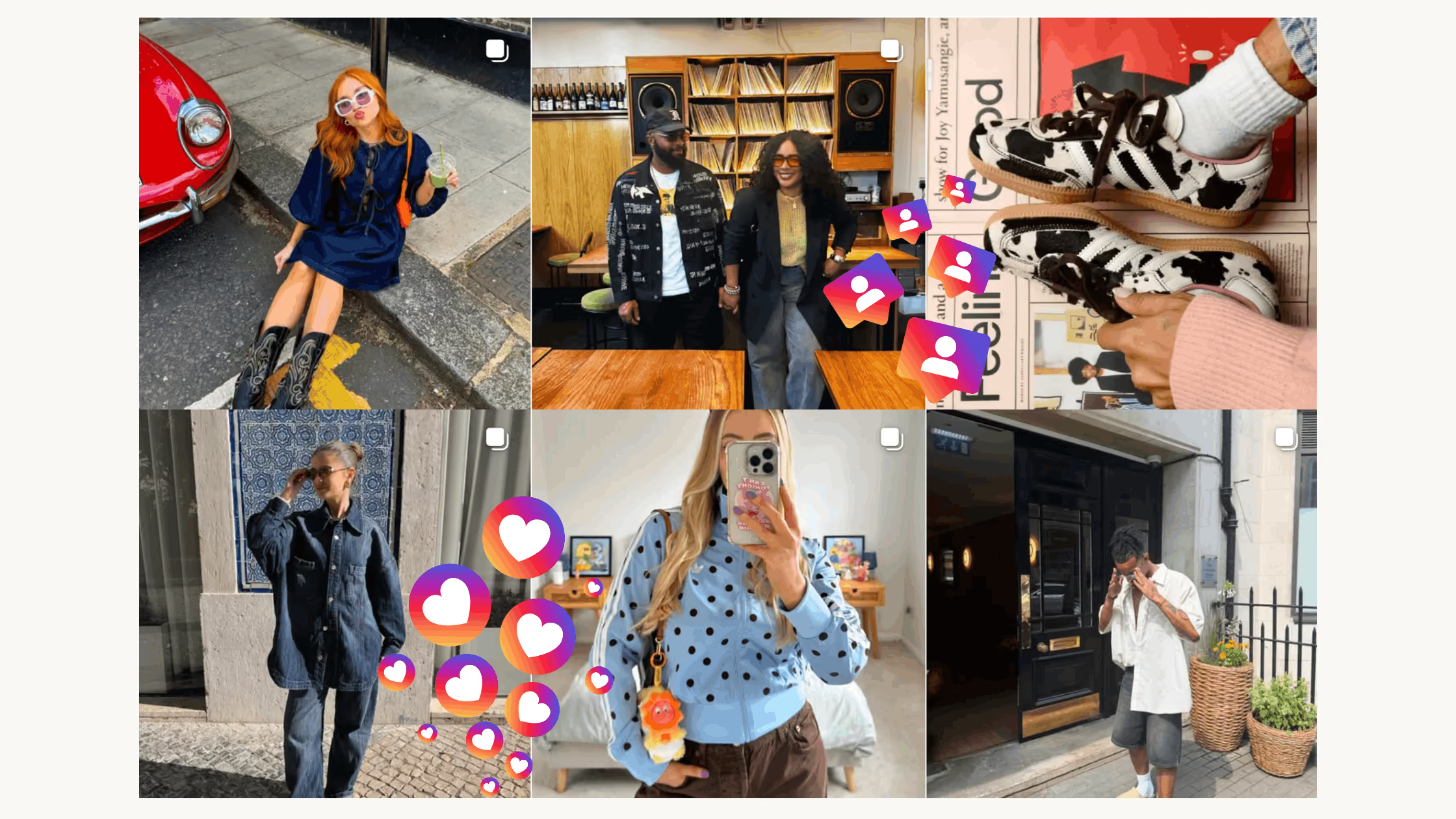
What began as a simple hashtag evolved into a gallery of over one million user-generated images on the ASOS website. By inviting their customers on social media to share their style and a chance to be featured on ASOS’s Instagram page, the campaign tapped into a goldmine of authenticity and engagement. The success of this hashtag ended up becoming a dedicated digital showcase on their own website.
For brands building this out today, having the right UGC platform in place makes it far easier to actually keep up with that demand.
Why #AsSeenOnMe Still Matters
The success of #AsSeenOnMe comes down to one thing: people trust people.
The #AsSeenOnMe campaign is a testament to the enduring power of UGC. It underscores a fundamental truth in consumer behaviour: Consumers are attracted to realism. They seek narratives they can relate to, stories that echo their experiences, aspirations, and reflections of true style diversity. By curating a collage of real-world fashion showcases, ASOS not only celebrated their community but also reinforced the integrity of its brand.
The Value of UGC for E-Commerce
E-commerce platforms are no longer just about presenting products; they're about creating a narrative that resonates with the consumer. UGC does that naturally, especially when there’s a consistent flow of content through a structured UGC content production setup.
Here’s why it works wonders:
Authenticity on Display
UGC offers a genuine look into how products perform outside the controlled environment of professional photoshoots.
Community-led shopping
E-commerce sites that incorporate UGC invite potential buyers into a community, not just a marketplace.
Stronger purchase confidence
Seeing a product in action, worn by individuals rather than models, significantly boosts consumer confidence, driving conversion rates.
A Direct Path to Purchase
UGC isn't just inspirational; it's actionable. With intuitive linking, a captivating image swiftly becomes a gateway to the checkout page.
From Static Content to Video
ASOS started with images, but now most brands are leaning into video - especially on TikTok and Reels.
Short-form UGC gives a better sense of how something fits, moves, and looks day-to-day. It also tends to perform better when used in ads. If you’re exploring this, looking at different UGC ad examples can help shape what you brief and produce.
This is also where UGC video ads come in - not just for social, but as part of the full customer journey.
Scaling UGC Beyond a Hashtag
ASOS proved the demand - but scaling UGC now takes a bit more structure.
You need a steady flow of creators, clear direction, and a way to manage everything without it becoming messy. Having a solid UGC brief in place makes a noticeable difference in the quality and consistency of what comes back.
Finding the right people matters too, whether you're working with UK UGC creators or US UGC creators, the goal is the same: content that feels real and actually fits your audience.
That’s why more teams are comparing tools and setups through a UGC platform comparison, to figure out what works best for how they operate.
🔔 Zara has entered the chat
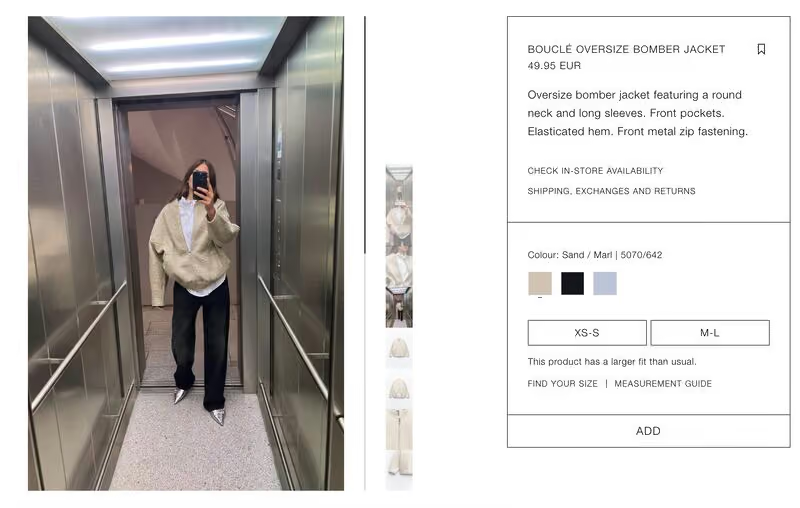
Following the successful model of ASOS, Zara has also integrated UGC into its digital marketing strategy. Known for their distinctive take on product presentation, Zara has recently embraced User-Generated Content (UGC) in its online marketing approach, recognising it as a vital component for fostering genuine customer engagement. Aligning with the successful pathway pioneered by ASOS through its #AsSeenOnMe campaign, Zara’s integration of UGC marks a significant shift towards a more authentic and consumer-focused strategy.
The decision to incorporate UGC into their e-commerce platform underscores the importance of creating relatable and genuine connections with the audience. ASOS’s initiative serves not just as an example, but as a guiding framework for brands looking to leverage authenticity as a means to engage their communities. This strategy not only enriches the customer experience but also transforms viewers into active contributors to the brand’s narrative.
What Brands Can Take From This
ASOS didn’t just run a campaign - they changed how people shop.
The takeaway is simple:
people want to see themselves in your product
they trust other customers more than brand messaging
and the brands that make that easy tend to win
Twirl help brands turn UGC into something consistent
Twirl is your go-to partner for UGC. Whether you're a brand, agency or a UGC creator, we bring together 8000+ talented creators to produce authentic, scroll-stopping content for ads, websites, emails, and social channels.




.svg)
.svg)